The Power of Celebration: Why Honoring the Right Commitments Transforms Leadership and Team Culture
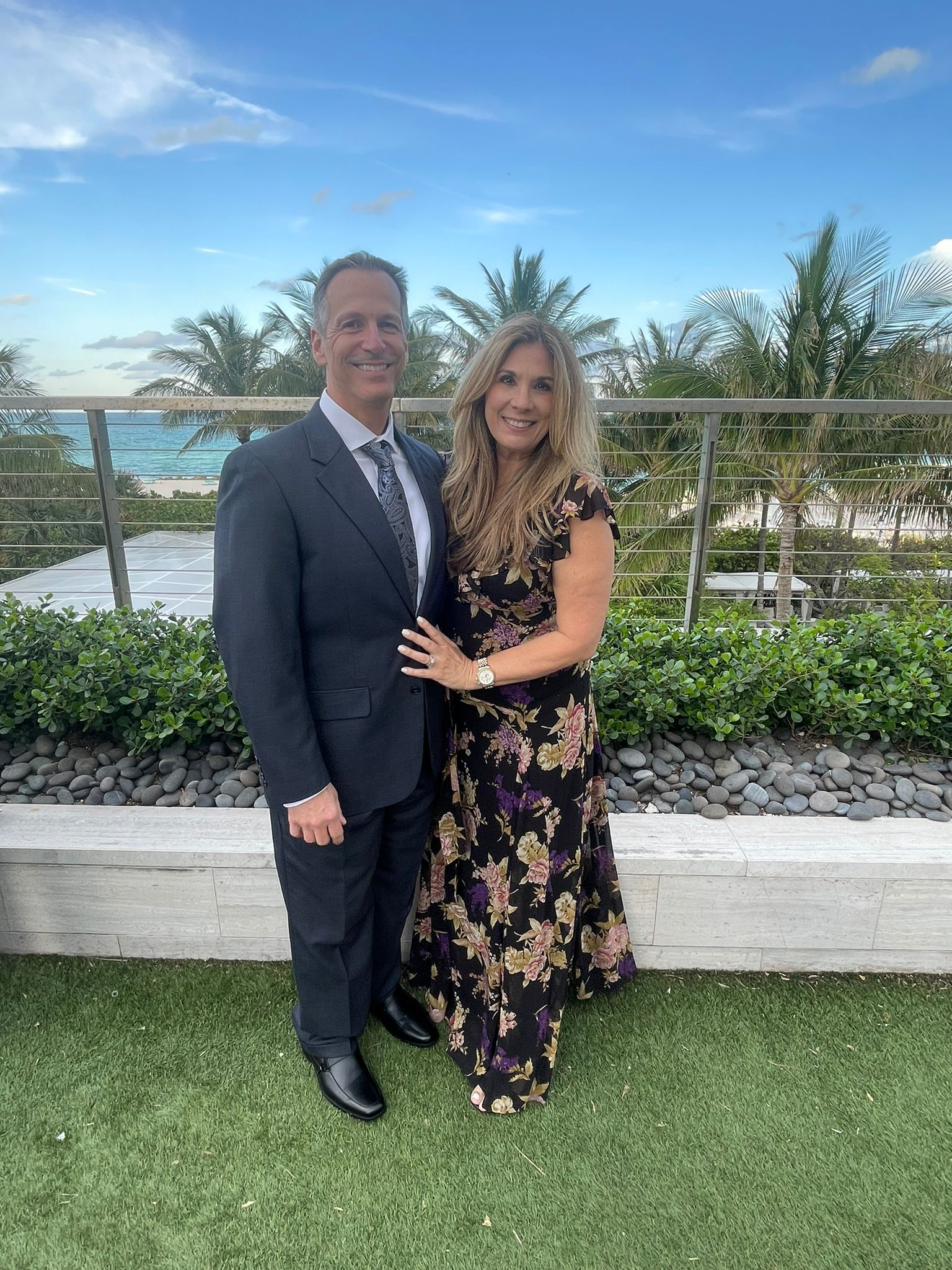
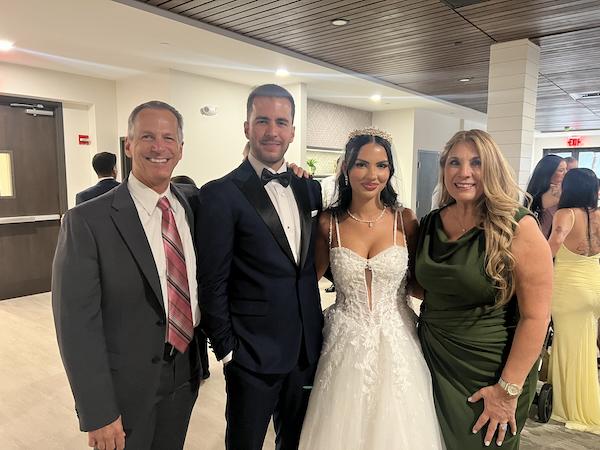
This weekend I had the privilege of attending the wedding of a good friend, Matthew, along with my wife, Yami. Matthew and his new bride, Katie, were married before their family and close friends. The venue was beautiful, the food was amazing, and everyone in attendance celebrated together along with Matthew and Katie.
As I reflected on this special occasion, I was reminded of the importance of celebrating what matters most in life. And when it comes to developing leaders, celebrating the right things makes all the difference in the world.
Weddings have a way of putting life in perspective. Watching two people commit to building something together, surrounded by everyone who has shaped their story, is a powerful reminder that milestones deserve to be marked. We don't just show up to witness a ceremony; we show up because celebration is how communities reinforce what they value. The same principle applies inside organizations.
Effective leadership development isn't only about training programs, mentorship frameworks, or performance metrics. It's also about recognizing and celebrating the moments that reflect growth, character, and commitment.
When leaders make a habit of celebrating milestones, big or small, they send a clear message to their teams about what truly matters.
Too often, workplace culture defaults to celebrating only the flashy wins: the closed deal, the record quarter, the product launch. These moments matter, but if they're the only things we celebrate, we teach our teams that outcomes are the only measure of value. Strong leadership development programs and cultures go further.
They celebrate the quiet, consistent behaviors that build trust over time — the team member who mentors a struggling colleague, the manager who has a hard conversation with grace, the employee who owns a mistake instead of hiding it. These are the behaviors that shape organizational culture in the long run, and they deserve the same spotlight as the big wins.
There's also a leadership lesson hidden in the wedding itself. Matthew and Katie's ceremony wasn't just about the couple; it was about the community that surrounded them. Great leaders understand that celebration is rarely a solo act. It's a communal experience that strengthens relationships, builds morale, and reinforces shared purpose.
When leaders celebrate their teams publicly and consistently, they cultivate a sense of belonging that no amount of compensation or perks can replicate. People remember how they were made to feel during moments of recognition, and that emotional memory becomes a driving force behind engagement and retention.
Ultimately, effective leadership development requires intentionality about what gets celebrated and why. If you want to build a culture of integrity, celebrate honesty even when it's uncomfortable. If you want to build a culture of collaboration, celebrate the people who lift others up rather than just the top individual performers.
What we choose to celebrate becomes what we cultivate. Just as Matthew and Katie's wedding celebrated love, commitment, and community, our workplaces have the opportunity to celebrate the values that will define their future — one intentional moment of recognition at a time.
Imagine a leader who celebrates everything. Every closed deal, every completed task, every meeting that ends on time receives the same enthusiastic round of applause. At first, the team appreciates the positivity. But within weeks, the recognition starts to feel hollow. Team members begin to wonder what actually matters. The celebration becomes background noise, and the leader is left wondering why nothing seems to gain traction.
Table of Contents
Why Celebration Is a Leadership Strategy, Not an Afterthought
What Gets Celebrated Gets Everybody's Attention
What Gets Celebrated Gets Repeated
When You Celebrate Others' Wins, You Elevate Your Entire Team
Building a Sustainable Culture of Celebration in 2026 and Beyond
Conclusion — Make Celebration a Commitment Itself
The problem is not the act of celebrating. The problem is the absence of discernment. Not all commitments deserve celebration. Only the right ones do.
As a leader, your attention is one of the most powerful tools you possess. Where you direct it, your team will follow. When you celebrate the right commitments, you do more than acknowledge past effort. You shape future behavior, reinforce your values, and build a culture where people know exactly what matters. By the end of this article, you will understand which commitments to celebrate, why celebration drives repetition and focus, and how celebrating others' wins elevates your entire team.
Why Celebration Is a Leadership Strategy, Not an Afterthought
Celebration is often treated as a nice-to-have. A birthday cake in the break room. A quick "good job" in a meeting. A gift card at the end of the quarter. These gestures are not inherently bad, but they diminish the strategic power of celebration when they are the only form of recognition leaders offer.
When leaders celebrate deliberately, they send a clear signal about what the organization values most. Celebration becomes a form of communication that outlasts any memo or all-hands presentation. A well-timed acknowledgment of a specific behavior tells the entire team, "This is what we care about here." It translates abstract values into lived experience.
The cost of not celebrating is steep. Teams lose motivation. High performers feel invisible. The organization's stated values remain abstract rather than practiced. People start to wonder if anyone is paying attention to their efforts, and when that doubt takes root, engagement begins to erode.
Celebration is not about grand gestures. It is about consistency and intentionality. Small, repeated acknowledgments shape culture more effectively than occasional awards ceremonies. A leader who notices and names the right behaviors on a regular basis builds trust and clarity. Those small moments accumulate.
Leaders who master celebration also create an emotional bank account with their teams. Deposits made through recognition are withdrawn during hard times. When a difficult quarter arrives or a project goes sideways, the goodwill built through genuine celebration provides a buffer. People are more willing to extend grace to a leader who has consistently shown they see and value their contributions.
What Gets Celebrated Gets Everybody's Attention
Human attention is a finite resource. Celebration directs it. When leaders publicly honor a specific behavior or outcome, they effectively tell the entire team, "Watch this. This matters." The message is immediate and unambiguous.
This is the spotlight effect in teams. Individuals adjust their efforts based on what they observe being rewarded, not what they are told is important. A leader can send a dozen emails about the importance of collaboration, but if the only person who gets public recognition is the one who closed the biggest individual deal, the team learns a different lesson. They learn that individual achievement is what gets noticed.
Contrast this with the alternative. When leaders celebrate everything indiscriminately, the signal becomes noise. Teams default to guessing what actually matters. They watch for patterns, and when none emerge, they create their own assumptions. Those assumptions are often wrong.
Consider a practical example. A leader who celebrates a team member for catching a small error before it became a client issue teaches the whole organization that vigilance and quality control are valued. The celebration is not about the size of the win. It is about the behavior it reinforces. The team learns that preventing problems is just as important as producing results.
The role of storytelling in celebration is critical here. Framing the "why" behind the recognition ensures the lesson lands, not just the praise. Instead of saying, "Great job, Maria," the leader says, "Maria caught a discrepancy in the client report before it went out. Because she took the time to double-check, we avoided a difficult conversation and protected a relationship we have spent two years building." The story gives the celebration meaning. It tells everyone what to look for in their own work.
The Danger of Celebrating the Wrong Things
Celebrating outcomes over behaviors can inadvertently reward luck or shortcuts. A team member who hits a sales target because a competitor stumbled is not necessarily demonstrating a commitment worth repeating. But a team member who consistently follows up with prospects, even when the immediate results are slow, is showing a behavior that will compound over time. Celebrate the latter.
When leaders celebrate only the loudest or most visible wins, they risk alienating quiet contributors whose work is equally vital. The analyst who catches a data error, the designer who refines a user flow, the customer service rep who de-escalates an angry client: these contributions rarely make headlines, but they hold the organization together. If they never receive recognition, those contributors start to wonder if their work matters.
Misaligned celebration creates cynicism. If a leader praises teamwork but only rewards individual achievement, the team learns to distrust leadership's stated values. They hear the words, but they see the actions. The gap between the two breeds skepticism that is difficult to reverse.
The "busy trap" is another common pitfall. Celebrating activity rather than progress rewards people for looking busy instead of being effective. The team member who sends emails at midnight or attends every meeting is not necessarily making the right commitments. They may simply be performing busyness. When leaders celebrate that performance, they encourage everyone to prioritize appearance over impact.
What Gets Celebrated Gets Repeated
Neuroscience backs this up. Recognition triggers dopamine release in the brain, making the rewarded behavior more likely to be repeated by both the recipient and observers. The person who receives the recognition feels good, and that feeling becomes associated with the behavior. The people who witness the recognition also experience a vicarious reward. They see what is possible and begin to adjust their own actions accordingly.
This creates a repeat loop in teams. When a behavior is celebrated, team members begin to replicate it, not out of fear, but because they see it as the path to acknowledgment and success. The loop is self-reinforcing. The more a behavior is celebrated, the more it appears. The more it appears, the more opportunities leaders have to celebrate it.
This principle applies to both big milestones and small daily actions. The key is identifying which commitments, when repeated, compound into meaningful results. A leader who celebrates a team member for admitting a mistake early, rather than hiding it, teaches the entire team that vulnerability and transparency are rewarded. The result is faster problem-solving across the board. People stop covering up errors and start surfacing them, because they know that is what gets recognized.
The compounding effect is powerful. Repeated celebration of the right commitments eventually makes those behaviors the default culture. They become the way things are done, requiring less explicit reinforcement over time. New team members absorb the norms quickly. They see what is celebrated and adjust their behavior accordingly. The culture becomes self-sustaining.
How to Identify Which Commitments Deserve Celebration
Align celebration with strategic priorities. If your organization's stated goal is customer retention, celebrate behaviors that drive loyalty, not just revenue numbers. A team member who spends extra time onboarding a new client is making a commitment that supports retention. Celebrate that.
Look for commitments that are difficult but sustainable. Behaviors that require effort and discipline are worth more than one-off wins. The team member who consistently documents their work, even when it is tedious, is making a commitment that will pay off when someone else needs to pick up the project.
Seek input from team members. Ask them which commitments they believe should be recognized. This builds buy-in and ensures you are not celebrating in a vacuum. Your team knows what is hard. They know what goes unnoticed. Their perspective will help you see the commitments that matter most.
Distinguish between outcomes and commitments. Outcomes can be influenced by external factors. Commitments are within a person's control. Celebrate the latter. A team member who loses a client despite doing everything right has still made a commitment worth honoring. Their effort deserves recognition, even if the result was not what anyone wanted.
Use the "would I want this repeated?" test. If the answer is yes, it is worth celebrating publicly. If the answer is no, or if you are unsure, hold back. Celebration is a signal. Make sure you are sending the right one.
When You Celebrate Others' Wins, You Elevate Your Entire Team
Celebration is not a zero-sum game. When a leader celebrates one person's achievement, the entire team benefits from the shared sense of possibility and momentum. The recognition does not diminish anyone else. It raises the bar for everyone.
This is the rising tide effect. Public recognition of one team member's commitment creates aspirational modeling. Others see a path to their own success. They think, "If that behavior gets noticed, I can do that too." The celebration becomes a roadmap, not a competition.
Celebrating others' wins also builds psychological safety. Team members see that leadership is paying attention and that their efforts will not go unnoticed. This increases engagement and willingness to take risks. People are more likely to try something new or speak up with an idea when they believe their contributions will be recognized, even if they do not always succeed.
This practice also breaks down silos. When leaders celebrate cross-functional collaboration, they encourage teams to work together rather than competing in isolation. A celebration of a successful product launch that names the contributions of engineering, design, and marketing sends a clear message: we win together. The next project will see more collaboration because people know that is what gets recognized.
A leader who celebrates others models humility and generosity. They show that they are not threatened by the success of their team members. They are proud of it. That posture builds trust and loyalty faster than any incentive program. People want to work for leaders who make them feel seen and valued. Celebration is one of the most direct ways to do that.
Practical Ways to Celebrate Team Wins Without It Feeling Forced
Be specific. Name the behavior or commitment you are celebrating, not just the outcome. "I noticed you stayed late to help Sarah meet her deadline" is more powerful than "Great job." The specificity tells the team exactly what you value and makes the recognition feel genuine.
Celebrate in the moment when possible. Delayed recognition loses its emotional impact. If you see a team member making a commitment worth celebrating, say something right away. The immediacy reinforces the connection between the behavior and the recognition.
Use multiple channels. Public shout-outs in meetings, written notes, and peer-to-peer recognition platforms all reinforce the message differently. A verbal acknowledgment in a team meeting reaches everyone at once. A handwritten note feels personal and lasting. A recognition platform allows peers to celebrate each other, distributing the act of celebration beyond leadership.
Involve the team in celebration. Let peers nominate each other for recognition. This distributes the act of celebration and ensures that quiet contributors are not overlooked. It also builds a culture where everyone is watching for the right commitments, not just the leader.
Avoid over-celebrating. If everything is celebrated, nothing is. Reserve public celebration for commitments that genuinely align with your stated values. The restraint makes the recognition more meaningful when it happens.
Building a Sustainable Culture of Celebration in 2026 and Beyond
As workplace dynamics continue to evolve, with hybrid teams and distributed work becoming the norm, celebration must become more deliberate and structured to remain visible. The casual hallway acknowledgment is no longer enough when half the team works remotely. Leaders in 2026 will need to leverage both synchronous moments, like team meetings and retreats, and asynchronous tools, like recognition platforms and shared channels, to ensure no win goes unseen.
The generational shift is also a factor. Younger team members increasingly expect regular feedback and recognition. They grew up in a world of instant feedback loops, from social media likes to real-time performance metrics. A culture of celebration is no longer optional for retention. It is a baseline expectation.
Measuring the impact of celebration is essential. Track engagement, retention, and team sentiment alongside your celebration practices to ensure they are driving the right outcomes. If recognition is happening but engagement is flat, the celebration may be misaligned. Adjust accordingly.
The long game matters. A culture of celebration is not built in a quarter. It requires consistent, authentic effort over time. There will be weeks when it feels repetitive. There will be moments when you wonder if anyone is paying attention. But the payoff is a team that knows exactly what commitments matter and is motivated to keep making them. That is the kind of team that sustains high performance year after year.
Conclusion — Make Celebration a Commitment Itself
Celebration is not a soft skill. It is a strategic leadership tool that directs attention, drives repetition, and elevates the entire team. When you celebrate the right commitments, you tell your team what you value. You shape their behavior. You build a culture where people feel seen, motivated, and aligned.
The call to action is simple. Treat celebration as one of your own commitments. Decide what you will celebrate, communicate it clearly, and follow through consistently. Do not leave recognition to chance. Make it a practice you return to every week.
Ask yourself this question: What did you celebrate this week, and did it reflect what you truly value? If the answer is uncomfortable, that is a signal. It means your celebration practices are out of alignment with your stated priorities. Fix that.
When you celebrate the right commitments, you do more than recognize the past. You shape the future of your team. You create a culture where the right behaviors are repeated, the right people are elevated, and the right values are lived. That is the power of celebration. Use it wisely.
What's one thing you can enthusiastically celebrate this week to empower your leaders?
Your Next Step
Are you considering a new role in the next 6-24 months? If so, how are you preparing for this next role before your leadership gaps get exposed? Register for the free Certified Coach Accelerator Workshop, where I go deeper on the ICF certification and credentialing pathway, the coaching business roadmap, and what it looks like to build a practice, or pivot in your career, around your existing leadership experience.
Register Here: https://imaginecoachingacademy.com/live-webinar
Marcel Sanchez is the founder of Imagine Coaching Academy, an ICF Level 1 Accredited Coaching Education Provider. He is an ICF Professional Certified Coach with a mission to equip faith-based business and ministry leaders with the credential, competence, and confidence to lead at their highest level.