How Marriage Coaching and Training Can Help You Professionally
How Marriage Coaching and Training Can Help You Professionally
There's a surprising truth most leaders overlook.
If your calendar is full, your team is depending on you, and your goals are ambitious—but your closest relationship feels strained or neglected—there’s a cost.
Not just personally.
Professionally.
Because the way you show up in your marriage often mirrors how you show up in leadership:
Under pressure
In conflict
When communication breaks down
When expectations go unspoken
And here’s the hook most people don’t expect:
Your leadership ceiling is often limited by your relational capacity at home.
That’s not a criticism. It’s an opportunity.
In a recent post we found that leaders today are asking:
“How do I lead a high-performing team when everything about work has fundamentally changed?”
But underneath that, there’s a quieter, more personal question:
“How do I stay grounded, present, and effective… when life itself feels demanding on every front?”
This is where marriage coaching and training step in—not as a “nice-to-have,” but as a strategic advantage.
Because when your internal world is aligned, your external leadership becomes clearer, calmer, and more decisive.
A real-world moment from this past weekend
This isn’t theoretical for me.
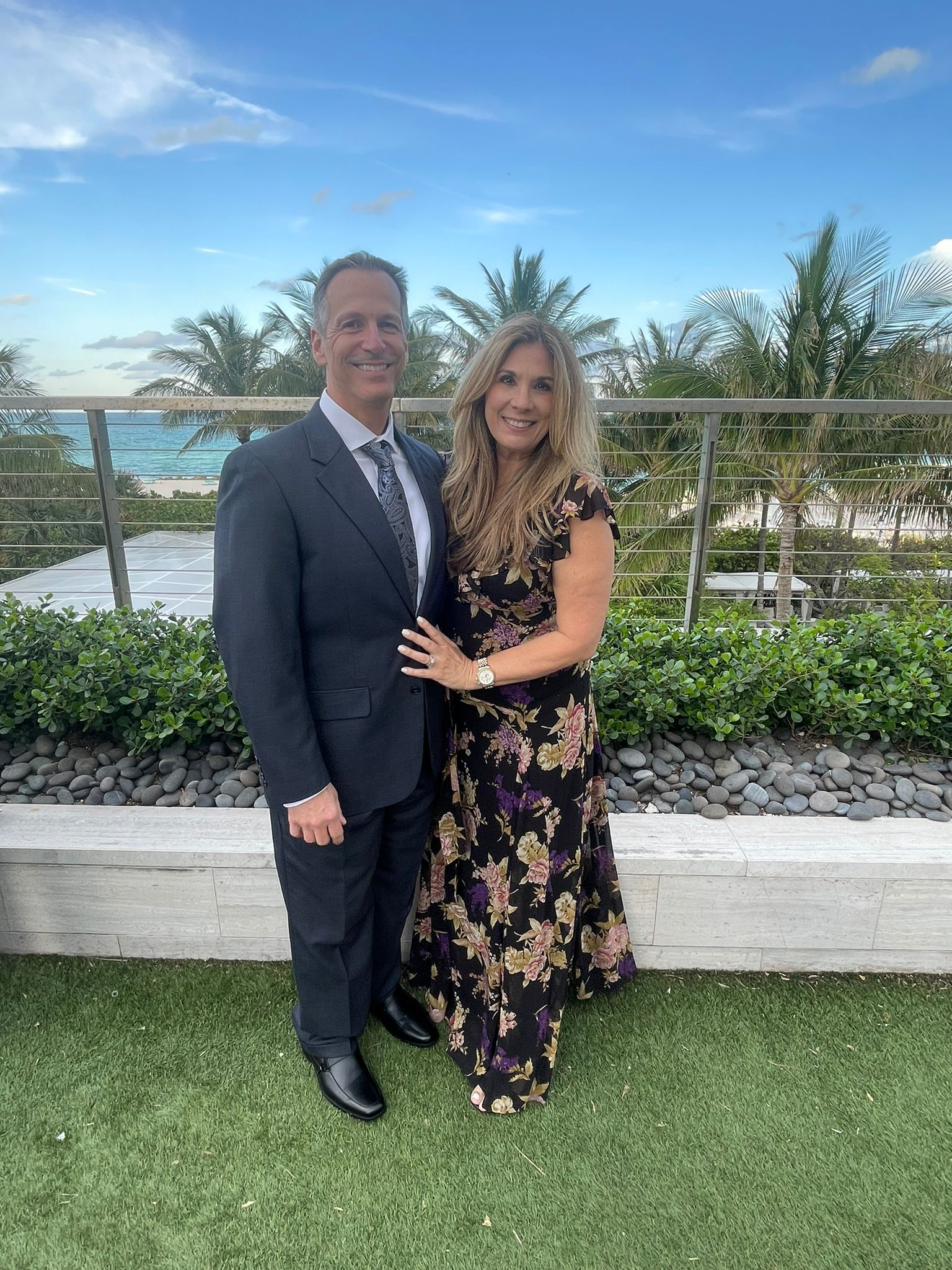
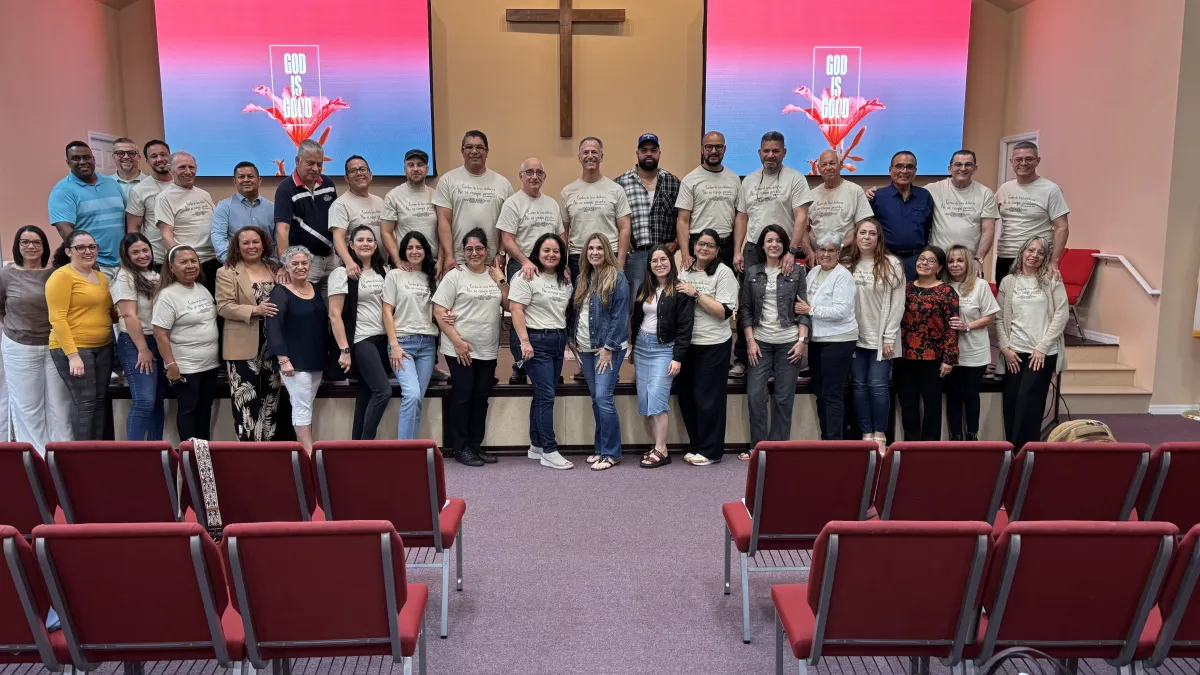
This past weekend, my wife Yami and I had the privilege of leading a two-day marriage conference in Palm Coast.
We served Hispanic couples from all walks of life—young couples just starting out, seasoned marriages navigating new seasons, and everything in between.
We didn’t come in with complicated frameworks.
We taught timeless principles rooted in Scripture:
Commitment beyond emotion
Communication grounded in truth and grace
Servant leadership within the relationship
And something powerful happened.
You could see it.
Couples who walked in guarded… began to open up.
Conversations that had been avoided… finally surfaced.
Clarity replaced confusion.
But here’s what struck me most:
Many of the men and women in that room were leaders.
Business owners. Managers. Decision-makers.
And as their marriages began to realign, you could almost feel the shift in how they would return to their teams:
More patient
More present
More intentional
Because when peace is restored at home, focus returns at work.
Why this matters professionally (more than most realize)
Leadership today demands more than strategy.
It demands:
Emotional intelligence
Clear communication
Conflict navigation
Trust-building
These aren’t just “work skills.”
They are relational skills.
And marriage is one of the most intense, consistent environments where those skills are either developed—or depleted.
A signal from today’s workplace reality
Organizations are increasingly recognizing that leadership effectiveness is deeply tied to emotional and relational well-being.
A recent feature from Business Insider highlights how companies are restructuring into smaller, high-performance teams—often supported by AI—where communication, trust, and clarity are no longer optional.
In these environments, leaders can’t hide behind hierarchy.
They must:
Communicate clearly
Build trust quickly
Navigate tension effectively
And those who do this best?
They’ve often developed those muscles outside the workplace first.
Three research-backed principles connecting marriage and professional success
1. Emotional intelligence drives leadership effectiveness
Studies consistently show that emotional intelligence (EQ) is a stronger predictor of leadership success than technical skill alone.
Application:
Marriage coaching strengthens:
Self-awareness
Emotional regulation
Empathy
These directly translate into:
Better team dynamics
Stronger decision-making
More effective leadership presence
2. Communication patterns at home mirror communication at work
Research from the Gottman Institute shows that communication habits—especially around conflict—are highly predictive of relationship success.
Application:
If someone:
Avoids hard conversations at home
Becomes reactive under stress
Struggles to listen deeply
Those patterns don’t disappear at work.
Marriage training provides a safe environment to rewire those patterns, which then elevate professional communication.
3. Stability in personal life increases cognitive performance
When relational stress is high, cognitive bandwidth decreases.
A Harvard Business Review article highlights how personal stress significantly impacts focus, decision-making, and productivity.
Application:
A thriving marriage:
Reduces background stress
Increases mental clarity
Enhances resilience
Which means you show up to your role not just present—but fully available.
Now sit in the leader’s chair for a moment
Imagine this:
You walk into a leadership meeting.
But instead of carrying:
Unresolved tension
Emotional fatigue
Distraction
You bring:
Clarity
Patience
Presence
Your responses are measured.
Your listening is deeper.
Your decisions are sharper.
That’s not accidental.
That’s the byproduct of intentional relational investment.
How to coach yourself (and your team) through this
Let’s bring in an ICF-aligned approach.
One powerful competency is:
Maintains Presence (ICF Core Competency)
This is about being:
Fully conscious
Emotionally regulated
Attuned to others
Marriage coaching trains this daily.
A simple coaching reflection you can use:
Ask yourself:
“Where is my emotional energy being drained right now?”
“What conversation am I avoiding—at home or at work?”
“What would alignment look like in my closest relationship?”
Then take one step:
Initiate the conversation
Seek understanding before being understood
Choose growth over comfort
Why leaders are turning toward coaching more than ever
This is where the rise of the ICF certified executive coach, leadership training, and becoming a certified professional coach becomes relevant.
Because leaders are realizing:
Performance is no longer just about strategy—it’s about alignment.
Alignment internally.
Alignment relationally.
Alignment organizationally.
And coaching is the bridge.
Final thought (from someone who genuinely cares)
This isn’t about being perfect in your marriage.
It’s about being intentional.
Because the same discipline that builds:
A thriving marriage
Deep trust
Honest communication
Is the discipline that builds:
High-performing teams
Strong cultures
Sustainable success
What I witnessed this weekend in Palm Coast wasn’t just marriages improving.
It was leaders being strengthened.
Homes becoming healthier.
And ripple effects being created that will show up in workplaces, teams, and communities.
If you’re serious about growing professionally, don’t ignore the most influential relationship in your life.
Your marriage matters!
Lean into it.
Invest in it.
Grow through it.
Because when your foundation is strong…
Everything you build on top of it has a far greater chance of thriving.
Warm regards,
Marcel Sanchez
ICF Professional Coach
ICF-Accredited Coach Education Provider
Founder, Imagine Coaching Academy
Direct: +1-786-554-0312
P.S. Are you ready to invest in yourself? Prepare for your next role.
Executive Coach Accelerator for Leaders in Transition
Certified Coach Accelerator for Construction Managers and Leaders
Certified Coach Accelerator for Pastors and Ministry Leaders
References
Goleman, Daniel. Emotional Intelligence: Why It Can Matter More Than IQ. New York: Bantam Books, 1995.
Gottman, John M., and Nan Silver. The Seven Principles for Making Marriage Work. New York: Harmony Books, 1999.
Seppälä, Emma, and Kim Cameron. “Proof That Positive Work Cultures Are More Productive.” Harvard Business Review, December 2015.