Anticipatory Leadership: Lessons from a major move
Are you preparing for your next major move or waiting to react to what's ahead?
We often talk about "change management" as if it’s a reactive sport—fixing problems as they arise.
But true leadership isn't just about reacting to the shift; it’s about anticipating it before the first box is even packed.
I’ve been thinking a lot about this lately while watching my son, Luke, navigate a massive transition: remodeling and moving into his first condominium.
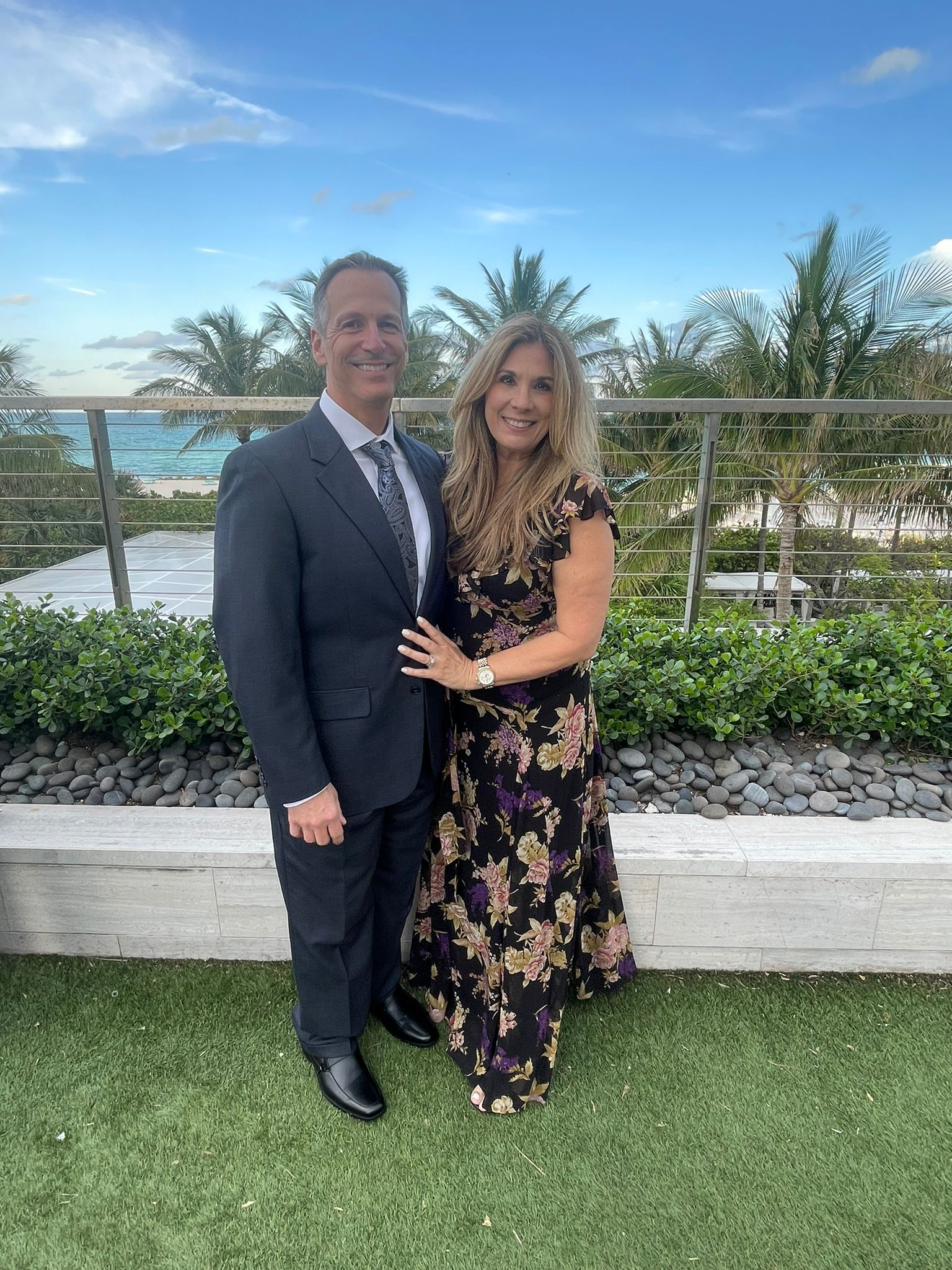
Luke stands between Yami and I with a huge feeling of relief.
My daughter, Savanah is the one taking the group selfie.
Yesterday evening, we finished moving Luke into his place at 9:30 PM.
It was a long day, but a major milestone for my son.
Early on, Luke hit the "valley of the unknown."
He faced the painful reality of gutting every room, removing mold, replacing deteriorating pipes, while facing a host of costs and time delays.
I watched him wrestle through those moments we’ve felt as leaders: the frustration of trying to figure everything out on your own and the overwhelm of a project that feels like it’s growing faster than your capacity to handle it.
But Luke did something that separates anticipatory leaders from the rest.
He demonstrated the humility to listen and prepare for the unknown.
He leaned on me not just for a set of helpful hands, but to coach him through the "blind spots" of remodeling his condominium.
It was not about me telling him what to do, but more about anticipating future obstacles and attacking them aggressively before they surfaced.
Luke realized that while he was living in the dust of the moment, he needed a perspective that could see the finished house.
That experience reinforced three critical pillars of Anticipatory Leadership that apply whether you are remodeling a kitchen or restructuring a global team.
1. Distinguish "Hard Trends" from "Soft Trends"
In Luke’s remodel, the "Hard Trends" were the future facts: the structural integrity of the walls and the local building codes.
You don't "manage" these; you build your strategy around them.
The "Soft Trends" were things we could influence—the choice of contractors or the sequence of the work.
The Leadership Lesson: Don't waste energy trying to change a Hard Trend (like a shifting market).
Identify the certainty and focus your influence on the Soft Trends where you can actually gain a competitive advantage.
2. Curate a Positive "Future view"
When Luke was knee-deep in drywall dust and unexpected plumbing leaks, it was easy for him to feel defeated.
My role as his coach (and father) was to relentlessly hold the "Future view"—reminding him of the finished sanctuary he was creating.
This was not easy on Luke.
Anticipating problems and working through them is not for the weak.
The Leadership Lesson: Your team’s ability to execute effectively is a reflection of their internal image of the future.
If they can't see beyond the "dust" of the transition, they will resist.
I believe we captured some dust from 1970 and unearthed it during the demo.
You must communicate the destination so clearly that they begin to inhabit the preferred future before it actually arrives.
3. Pre-Solve the "Known Unknowns"
Most leaders are celebrated for being "firefighters."
But anticipatory leaders aim to be fire preventers.
By listening to a coach, Luke was able to "pre-solve" hurdles—identifying where the budget might stretch or where the supply chain might fail—before the stress became a crisis.
The Leadership Lesson: Ask yourself, "What is the most predictable challenge we will face 90 days after this milestone?"
Humility allows you to ask for help to solve that challenge today.
3 Questions to Help You Become an Anticipatory Leader:
To move from reactive firefighting to proactive foresight, take a moment to consider these three questions:
1. What are the "Future Facts" I am currently ignoring? What's the primary reason behind your neglect?
2. Am I coaching my team for the "Dust" or the "Destination?" Are your meetings focused more on the friction of the current move or the vivid picture of reality after the milestone?
3. What "fire" can I prevent this week? What is one predictable obstacle in the next 90 days that you can "pre-solve" before tomorrow?
Luke learned that a home isn't just remodeled with lumber; it’s transformed with foresight and the humility to seek guidance before you face huge obstacles.
As you reach your next milestone, don't just manage the move.
Lead the transition as you anticipate future challenges and opportunities.
To your next big adventure,
Marcel Sanchez
ICF Professional Coach
Founder, Imagine Coaching Academy
Direct: +1-786-554-0312
P.S.Are you ready to invest in yourself?
Start my Coaching Masterclass and prepare for your next career path.